

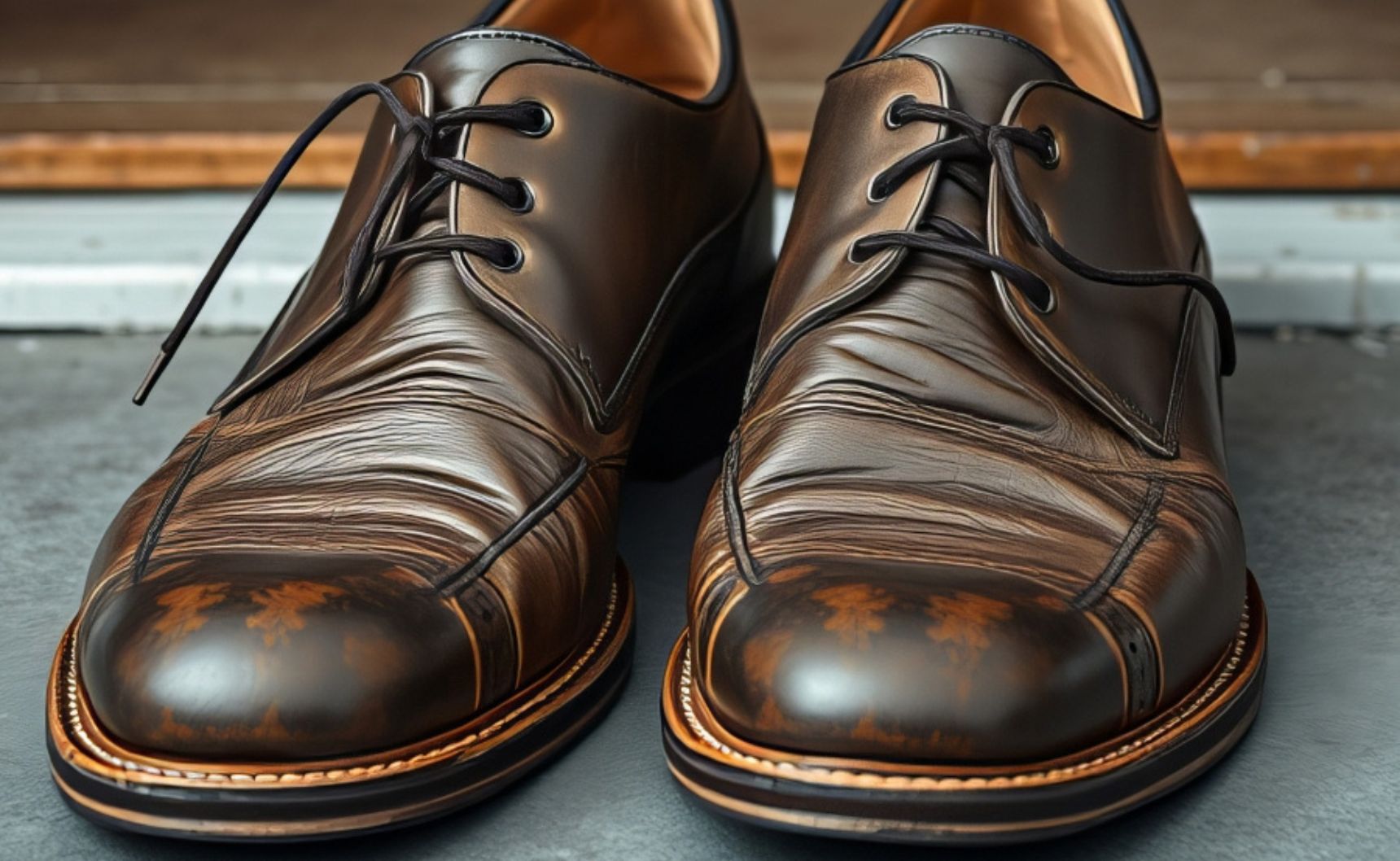
A constant trade-off between looking good and feeling comfortable is faced by all, when it comes to choosing the right pair of shoes. There are some styles that catch your eye immediately, but such shoes are not necessarily appropriate for supporting your daily needs.
Practical shoes on the other hand, tend to seem less appealing, in terms of design. Feeling confused? Well, you don’t have to! The good news here is there’s no need for you to compromise.
The right approach can help you find a pair that looks stylish, without compromising on comfort even a bit. This guide can help you understand how to do that effectively. Strike the ultimate balance and make sure you look good and stay comfortable always!
Why Balance Matters in Footwear
In your everyday life, shoes have an important role to play. Creating the right impact at work, events, or even when you’re going out for a walk is essential. The right footwear ensures that you make the correct impact, simply by ensuring better posture, comfort, and overall confidence as well.
When you’re focusing only on style, you may feel discomfort. On the other hand, just sticking to practicality results in the compromise of style. Thus, taking a balanced approach can have significant positive implications. It ensures:
- Long-lasting comfort throughout the day
- A polished and put-together appearance
- Better value from your purchase
- Reduced risk of foot strain or fatigue
Start with Your Lifestyle Needs
First think about where and how you plan to wear your shoe, before randomly selecting any given pair. Make sure that your choice of shoes reflects your lifestyle appropriately.
Daily Routine
Do you spend long hours on your feet? Your priorities should be cushioning and support. Always stick to shoes that allow extended wear, and don’t sacrifice the visual appeal as well.
Work Environment
When you’re in a professional look, you would want to ensure a refined look. Clean and structured styles that offer all-day-long comfort are the appropriate picks in this case.
Social and Occasional Wear
For outings or special events, style might take priority, but that doesn’t mean ignoring comfort entirely. Opt for designs that allow you to move freely and confidently.
Focus on Fit First
Fit is an essential part. No matter what shoe you’re wearing, without the proper fit, it won’t feel comfortable and won’t appear refined as well. A good fit serves as the foundation to comfort and appearance.
Here are a few tips that can help you find the appropriate fit:
- Ensure there is enough room in the toe box
- Check that the heel fits snugly without slipping
- Walk around to test comfort before deciding
- Try shoes later in the day when your feet are slightly expanded
Shoes that fit well naturally look better because they support your posture and movement.
Choose Versatile Designs
When balancing style and practicality, versatility holds the key. You can save both time and efforts by picking shoes that complement multiple outfits. Besides, it offers greater usability as well.
Neutral Colors
Shoes in black, brown, beige, or white have the ability of pairing with different clothing styles. Thus, these colors become a practical choice.
Minimalist Styles
Want shoes that stay relevant across trends? Try shoes with clean lines and simple designs. This helps in ensuring that your shoes remain wearable over time.
Multi-Use Footwear
Shoes that can seamlessly transition from casual to semi-formal settings, without appearing out of place are the appropriate picks here.
Pay Attention to Materials
Both comfort and style of your shoes are directly impacted by the materials that you pick.
Leather and Faux Leather
Want a polished appearance? Try leather or faux leather. Apart from that, you also get shoes that adapt to your feet over time. Thus, it becomes suitable for both formal and causal wear.
Fabric and Mesh
Both fabric and mesh are lightweight and breathable materials. These are shoes that are ideal for everyday use, especially when it comes to warmer climates.
Synthetic Options
Ensure you get durability and flexibility, while maintaining a sleek look, with modern synthetic materials.
So, its essential for you to choose high-quality materials. This helps in ensuring good looks, while making your shoes usable, ensuring better ability to withstand regular use.
Consider the Sole and Support
While a stylish upper catches attention, it doesn’t determine the performance of a pair. You can understand performance through the soles that are used.
Cushioning
Adequate padding is essential, as it helps in absorbing impact. This can be highly beneficial, if you’re walking frequently.
Grip
A good outsole provides traction, reducing the chances of slipping.
Arch Support
Proper support helps maintain foot alignment and prevents discomfort during prolonged use.
A well-designed sole ensures that your shoes are as functional as they are fashionable.
Heel Height and Comfort
Heel height plays a major role in balancing aesthetics and usability.
- Low heels or flats: Ideal for daily wear and extended use
- Mid-height heels: Offer a blend of style and comfort for work or social settings
- High heels: Suitable for short durations or special occasions
Choosing the right heel height depends on how long you plan to wear the shoes and the level of comfort you need.
Evaluate Construction Quality
Well-constructed shoes tend to perform better and last longer. Look for signs of good craftsmanship, such as:
- Even and secure stitching
- Strong attachment between the sole and upper
- Flexible yet sturdy structure
Quality construction ensures that your shoes maintain their appearance and functionality over time.
Balance Trends with Timeless Appeal
Trendy shoes can be exciting, but they often have a short lifespan in your wardrobe. To maintain balance:
- Purchase classic styles for regular use
- Add a few trend-driven pieces for variety
- Avoid overly bold designs that may limit usability
This approach helps you stay stylish without sacrificing practicality.
Comfort Testing Before Purchase
Always take time to test shoes before making a decision.
- Walk on different surfaces if possible
- Check for pressure points or discomfort
- Ensure the shoes feel stable and supportive
A quick test can save you from long-term discomfort and regret.
Think About Maintenance
Practical shoes are not just about wearing, they are also about maintaining.
Easy-to-Clean Materials
Choose materials that can be cleaned without much effort, especially for daily wear.
Durability
Shoes that withstand regular use reduce the need for frequent replacements.
Storage
Proper storage helps maintain shape and appearance over time.
Low-maintenance shoes are more practical and easier to incorporate into your routine.
Building a Balanced Shoe Collection
Instead of relying on a single pair, consider building a small collection that covers different needs:
- Everyday pair: Comfortable and versatile
- Work pair: Polished and supportive
- Occasion pair: Stylish and refined
- Casual pair: Relaxed and easy to wear
Having a balanced collection ensures you’re always prepared without compromising on style or comfort.
Common Mistakes to Avoid
When choosing shoes, keep an eye out for these common pitfalls:
- Prioritizing appearance over comfort
- Ignoring fit and sizing
- Choosing materials that don’t suit your climate
- Buying shoes for one-time use only
Avoiding these mistakes can help you make smarter, more practical decisions.
Final Thoughts
Finding shoes that balance style and practical use is all about thoughtful selection. By focusing on fit, materials, construction, and versatility, you can choose footwear that supports your daily activities while enhancing your overall look.
Remember, the right pair of shoes should feel effortless, both in how they look and how they perform. When style meets practicality, every step becomes more comfortable, confident, and enjoyable.
With these tips in mind, you’re ready to make choices that combine elegance with everyday usability, ensuring your footwear works just as hard as you do.