

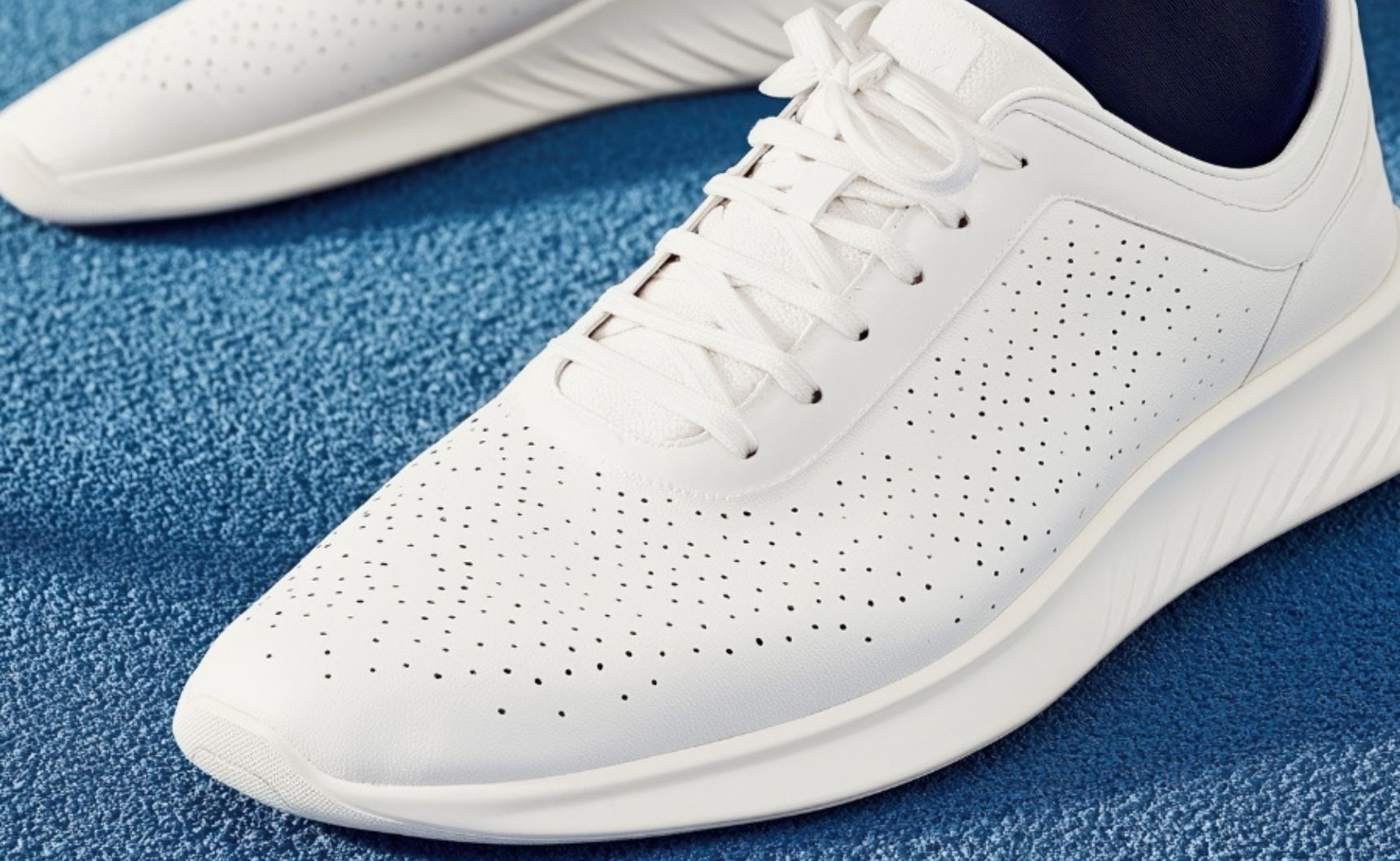
Shoes are not merely daily essentials, they blend design, engineering, and craftsmanship. You must understand shoe construction to completely change how you pick the right pair for yourself. So, whether you’re looking for a purchase or are simply interested in the construction of shoes, this blog is for you.
You will understand about the key components and methods that are involved in shoe construction. Thus, with a clear overview, you’ll be able to make informed choices, every time you shop for your new pair. Let’s dive in to understand more about this.
Why Shoe Construction Matters
Shoes tend to seem similar at first glance. Nevertheless, subtle changes in construction prevail. The way in which a pair is constructed plays a major role. It impacts comfort, durability, and even appearance.
If you’re sticking to a well-constructed shoe, it can last for years. On the other hand, a poorly constructed pair can wear out within a few months. When you understand construction techniques, you can do the following:
- Identify quality craftsmanship
- Choose shoes suited to your lifestyle
- Recognize value beyond just appearance
- Maintain your footwear properly
The Basic Parts of a Shoe
Do you understand the anatomy of a shoe? Even before you understand about construction, it’s essential to understand what a shoe pair comprises of. In any pair, each component has a specific function, which together contributes to the overall performance of the shoe.
1. Upper
The upper portion of your foot is covered by the upper of a shoe. This is a part that is constructed out of various types of materials, including leather, fabric, and even synthetic blends. The style, breathability, and flexibility of any given pair is dependent on the upper.
2. Insole
This part sits inside your shoe and is known to provide the cushioning and support your foot needs. Insoles have a direct impact on comfort, especially if you’re wearing a given pair for long hours.
3. Outsole
The bottom layer of a shoe is known as the outsole, and this is the part that comes in contact with the ground. This part is generally crafted from rubber or durable synthetic materials, and can provide traction and durability.
4. Midsole
The midsole is the part that lies between the insole and the outsole. It ensures appropriate shock absorption and additional support. Midsoles are typically important in the case of athletic footwear.
5. Heel
Heels provide elevation and balance, and is an important part. The design of the heel typically depends on the kind of shoe that you’re wearing, whether you’re wearing casual wear or formal wear.
Common Shoe Construction Methods
The manner in which the upper is attached to the sole depends on the construction technique used. In this regard, each method that is used has its own advantages and disadvantages. Besides, it’s suited for a specific type of footwear only.
1. Cemented Construction
One of the widely used construction techniques, the cemented construction method is the method where the upper is directly glued to the outsole of your shoes. The following are the key features in this case:
- Lightweight and flexible
- Cost-effective
- Common in casual and athletic shoes
There are certain things to consider in the case of such shoes. The method ensures affordability and comfort, but there’s a clear issue in durability, compared to other construction methods used. Repairs become difficult, if the sole wears out.
2. Blake Stitch Construction
Shoes where the upper is stitch to the outsole directly from the inside of the shoe is crafted using the Blake Stitch Construction method. The following key features can be associated with the same:
- Sleek and streamlined appearance
- More flexible than some traditional methods
- Often used in dress shoes
In the case of this stitching method, the main consideration is the need for specialized equipment. Besides, water resistance is poor in such shoes, compared to all the other methods that are generally used.
3. Goodyear Welt Construction
A durable and traditional shoe construction technique, the Goodyear Welt Construction involves stitching a strip of leather, which is also called a welt to both the upper and the sole. Some key features that can be associated with the same include:
- Highly durable and long-lasting
- Easy to resole multiple times
- Better water resistance
This method produces shoes that are heavier and might require a break-in period as well. However, from the perspective of long-term use, these can be seen as the ultimate pecuniary choice.
4. Strobel Construction
The Strobel Construction is commonly used in athletic footwear. It involves the stitching of the upper to a fabric layer, before attaching it to the sole of the shoe. The main features of such a construction include:
- Highly lightweight
- Flexible and comfortable
- Ideal for sports and active use
The method is known for the levels of comfort and flexibility it offers; however, the main question is the longevity. These shoes tend to last less longer than other construction techniques.
5. Direct Injection Construction
Shoes where the sole is formed directly onto the upper using liquid materials that hardens into shape is crafted using the Direct Injection Construction. The main features of such a construction technique involve the following:
- Strong bond between upper and sole
- Excellent shock absorption
- Consistent quality
Such a construction technique results in durable shoes, but is less common in the case of refined and handcrafted footwear.
Materials Used in Shoe Construction
The quality and feel of your shoe are ultimately dependent on the choice of material that is to be used in its construction. Some common materials used include as given below.
Leather
Leather is durable and moreover, it molds to the shape of your foot quite easily, over time. The material is generally used in formal and high-quality footwear.
Synthetic Materials
Want lighter and more affordable options? Synthetic materials are your go-to choice. While they mimic the appearance of leather, they can offer added resistance to moisture as well.
Textiles
You get breathability and flexibility with fabric materials, which also makes them ideal for causal and athletic shoes.
Rubber and EVA
Commonly used in soles, these materials are known for their shock-absorbing capability and slip-resistant properties.
Handcrafted vs Machine-Made Shoes
Whether a pair is handmade or mass-produced significantly impacts the overall shoe construction. In the case of handcrafted shoes, detailed stitching and thoughtful material selection are common areas. Such shoes have a unique finish and last longer if maintained properly.
On the other hand, machine-made shoes ensure better construction and affordability. Such shoes lack the intricate detailing of handcrafted pairs. But for everyday use, these are the practical choice.
How to Identify Quality Shoe Construction
If you’re new to evaluating shoes, here are a few simple tips to help you spot good construction:
- Check the stitching: Even, tight stitches indicate better craftsmanship.
- Examine the sole attachment: Look for strong bonding or stitching rather than loose edges.
- Feel the materials: High-quality materials usually feel sturdy yet comfortable .
- Flex the shoe: A good shoe should bend naturally at the ball of the foot without feeling stiff or flimsy.
Maintaining Your Shoes
Understanding construction also helps you maintain your shoes properly.
- Clean them regularly based on material type
- Store them in a cool, dry place
- Use shoe trees to maintain shape
- Rotate pairs to reduce wear and tear
Well-maintained shoes not only last longer but also continue to look presentable over time.
Final Thoughts
While shoe construction is a procedural topic, it is beneficial for you to understand the basics. You can make informed choices by understanding the same. From the materials used to the method of assembly, every detail contributes to how a shoe feels, performs, and lasts.
By learning these fundamentals, you’re not just buying footwear, you’re appreciating the craftsmanship behind it. Whether you prefer something lightweight and casual or sturdy and long-lasting, knowing how shoes are made gives you the confidence to choose wisely.